From Private Rooms to Empowering Portraits: The Evolution of Boudoir Photography
Boudoir photography has a rich and fascinating history, transforming over the years from a risqué indulgence into a powerful form of self-expression and empowerment.
The term “boudoir” refers to a woman’s private dressing room—a luxurious retreat, once only reserved for those of wealth and status. It not only provided a sanctuary away from the male-dominated public sphere, it inspired comfort, self-care, and unapologetic femininity. A boudoir was a realm where a woman could revel in her individuality, shielded from societal judgment.
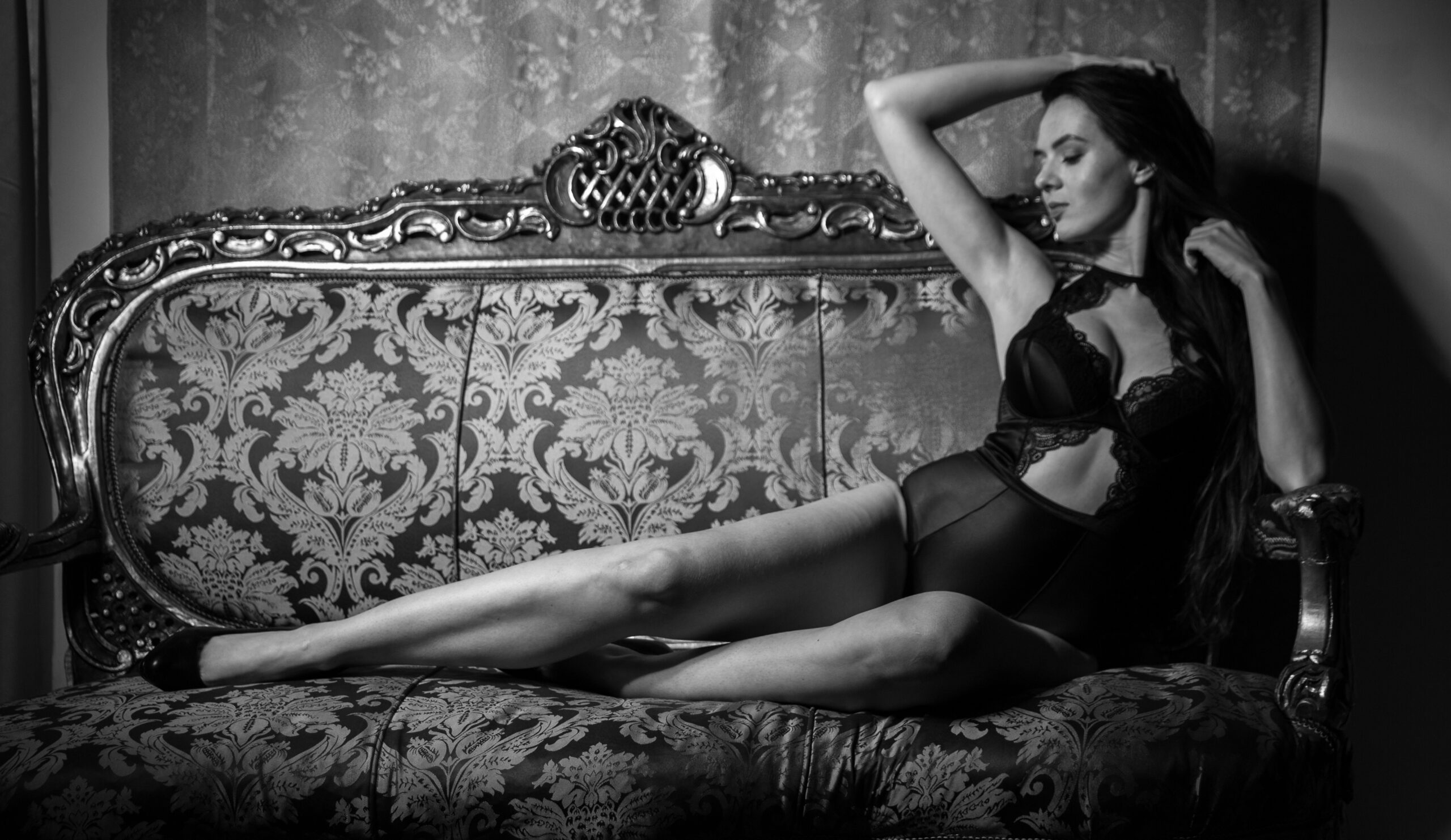
At the turn of the 20th century, the advent of photography brought an intimate artistry to these private spaces. Wealthy patrons often commissioned photographers to capture intimate portraits of their mistresses, a bold alternative to traditional painted portraits. These images, seen as daring and scandalous for their time, were carefully guarded treasures, revealing a side of beauty and sensuality that the public sphere rarely acknowledged.
As time, and the suffragists marched on, boudoir photography shed its secrecy and embraced the spotlight, evolving alongside the spirit of the times.
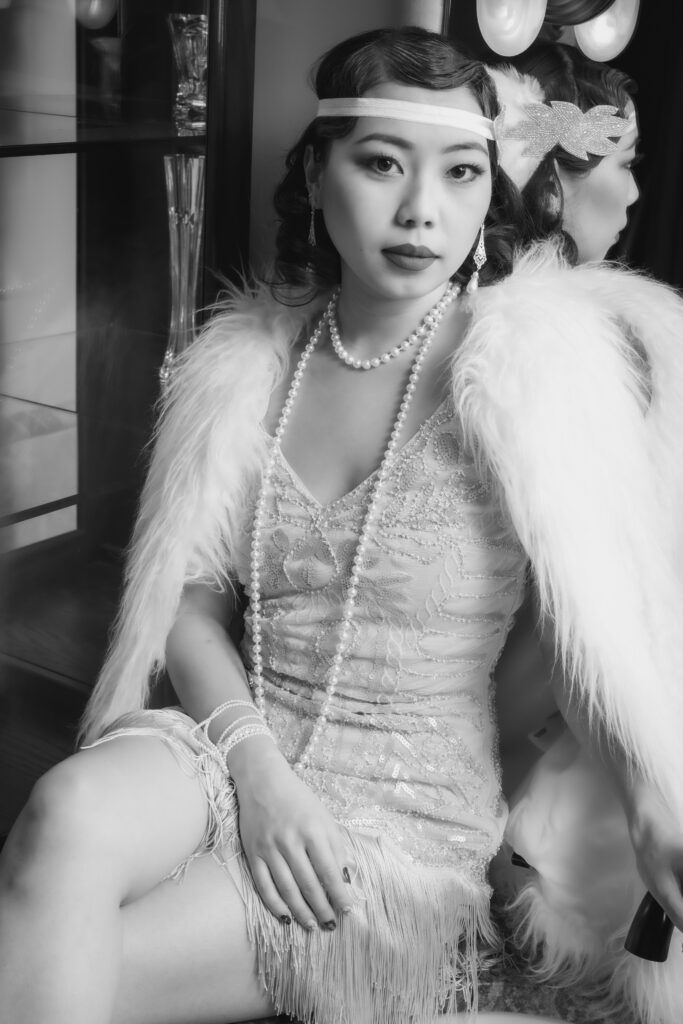
The Art Deco era of the roaring ’20s marked a turning point. With shimmering dresses, bold makeup, and a fierce independence, women stepped into the lens to explore their identities and challenge societal norms. These intimate portraits became an art form, a testament to women embracing their glamour and individuality like never before.
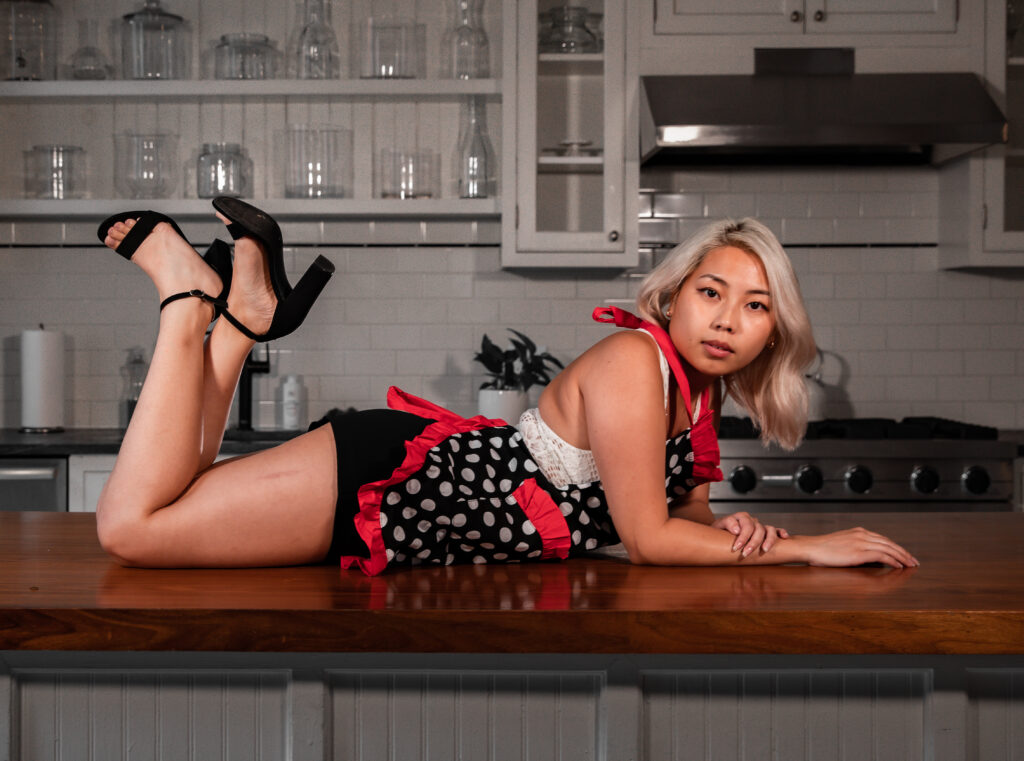
By the 1940s, boudoir photography transformed again during WWII, with the rise of the iconic pin-up girl. Playful and confident, these images depicted women in swimsuits or lingerie, their smiles and poses radiating charm and cheeky allure. Pin-up photos became symbols of hope and connection, sent to soldiers as a reminder of what they were fighting for—a sense of home, love, and strength.
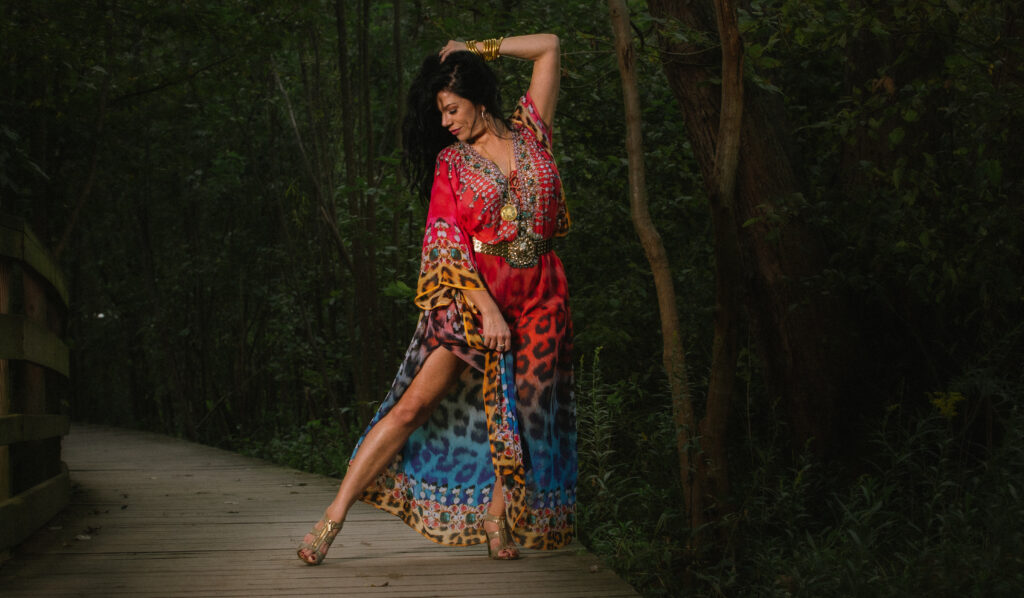
The 1960s and ’70s feminist movement ignited a revolution in boudoir photography. Women began reclaiming their bodies and their stories, using the camera to celebrate their autonomy and desires. Boudoir was no longer about pleasing someone else; it was a platform for expressing individuality and power. This era also broke barriers, welcoming women of all shapes, sizes, and ethnicities into the frame, showcasing the beauty of diversity and self-expression. Boudoir was no longer just an art form; it became a movement, a mirror reflecting the confidence and liberation of women as they claimed their place in the world.
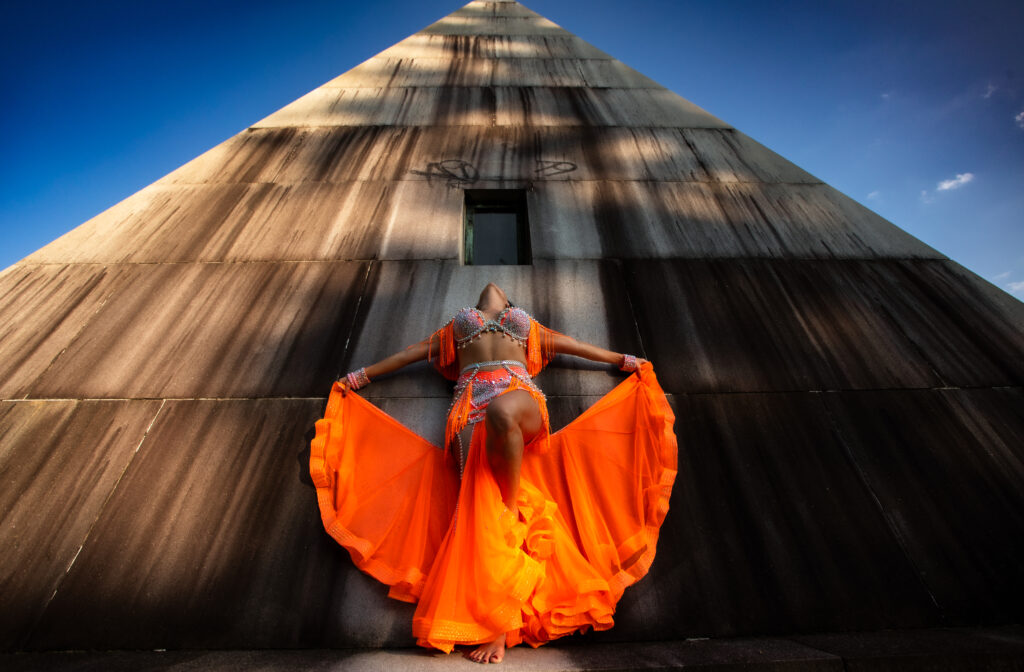
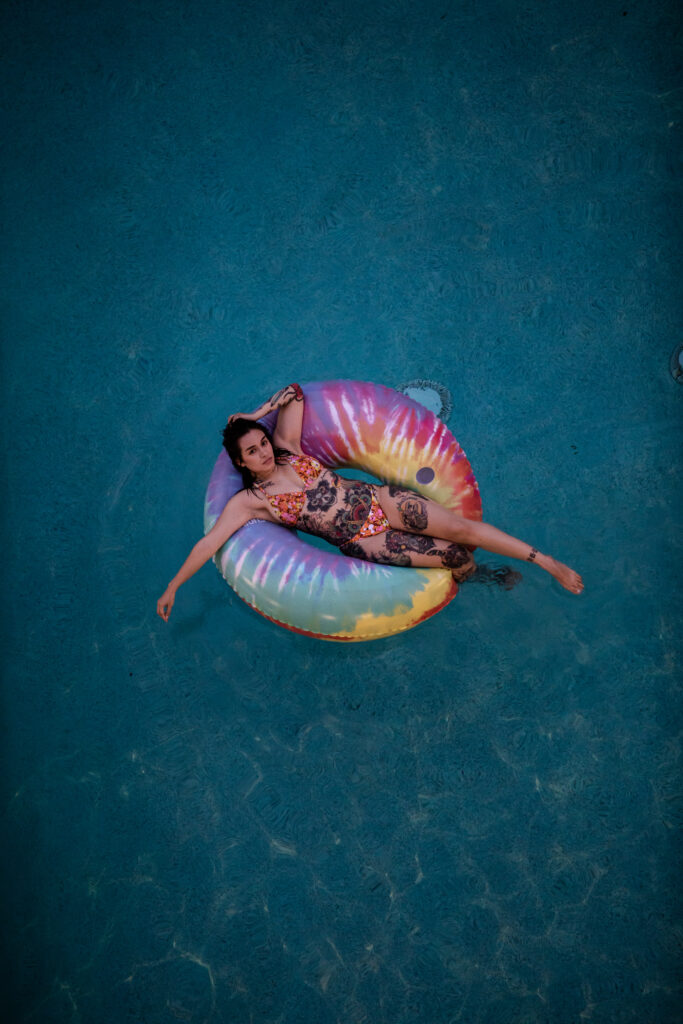
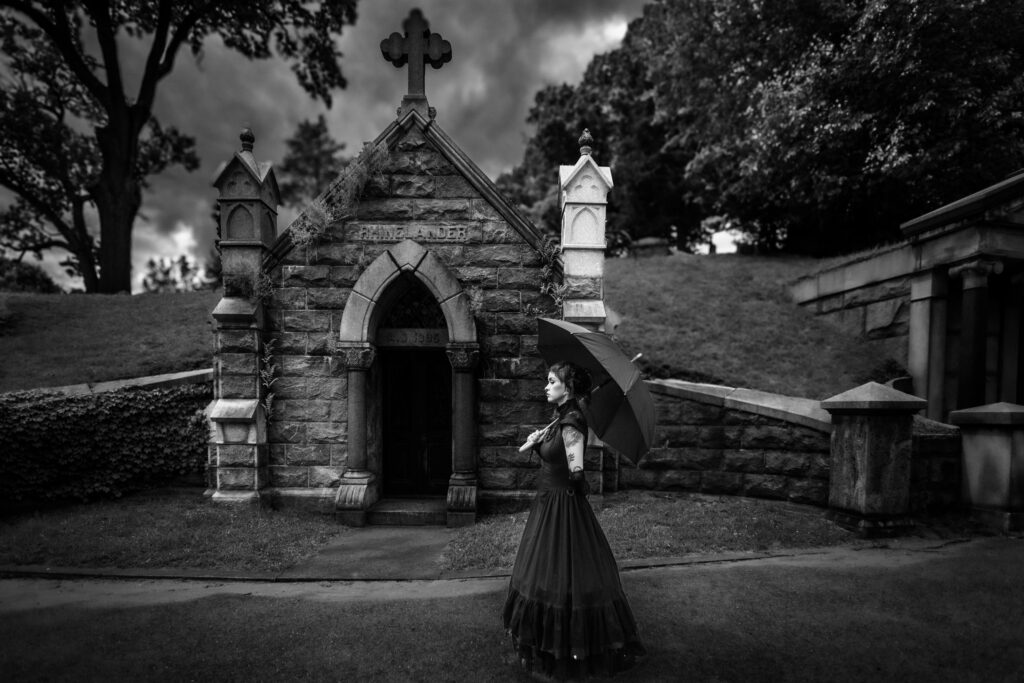
As the new millennium dawned, the rise of digital cameras revolutionized boudoir photography. No longer confined to private rooms, this art form embraced new horizons, moving to breathtaking outdoor locations, urban backdrops, and imaginative fantasy settings. With the internet connecting photographers and clients like never before, boudoir began to evolve, branching into cosplay, fantasy, and limitless creative styles that brought every unique vision to life.
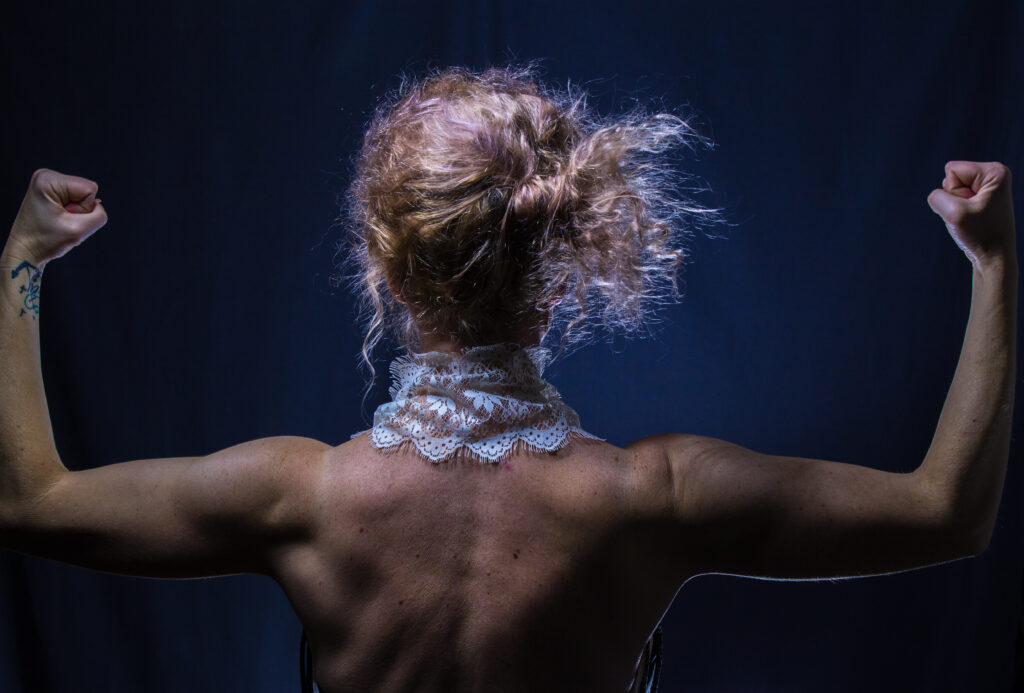
Nowadays, boudoir photography is far more than just beautiful images. It’s a celebration—a bold statement that beauty knows no bounds. Women of every age, shape, and identity are stepping into the spotlight to claim their space and embrace their uniqueness. Boudoir transcends traditional ideas of allure, redefining confidence and sensuality in ways that are deeply personal and profoundly empowering.
Today, when you book a boudoir session, you step into this rich history of boldness and empowerment. You’re not just posing for photos—you’re continuing a legacy of women who have used this art to honor their beauty, challenge expectations, and tell their stories.